Welcome to Quanzhou Weihang Machinery Co.,Ltd.

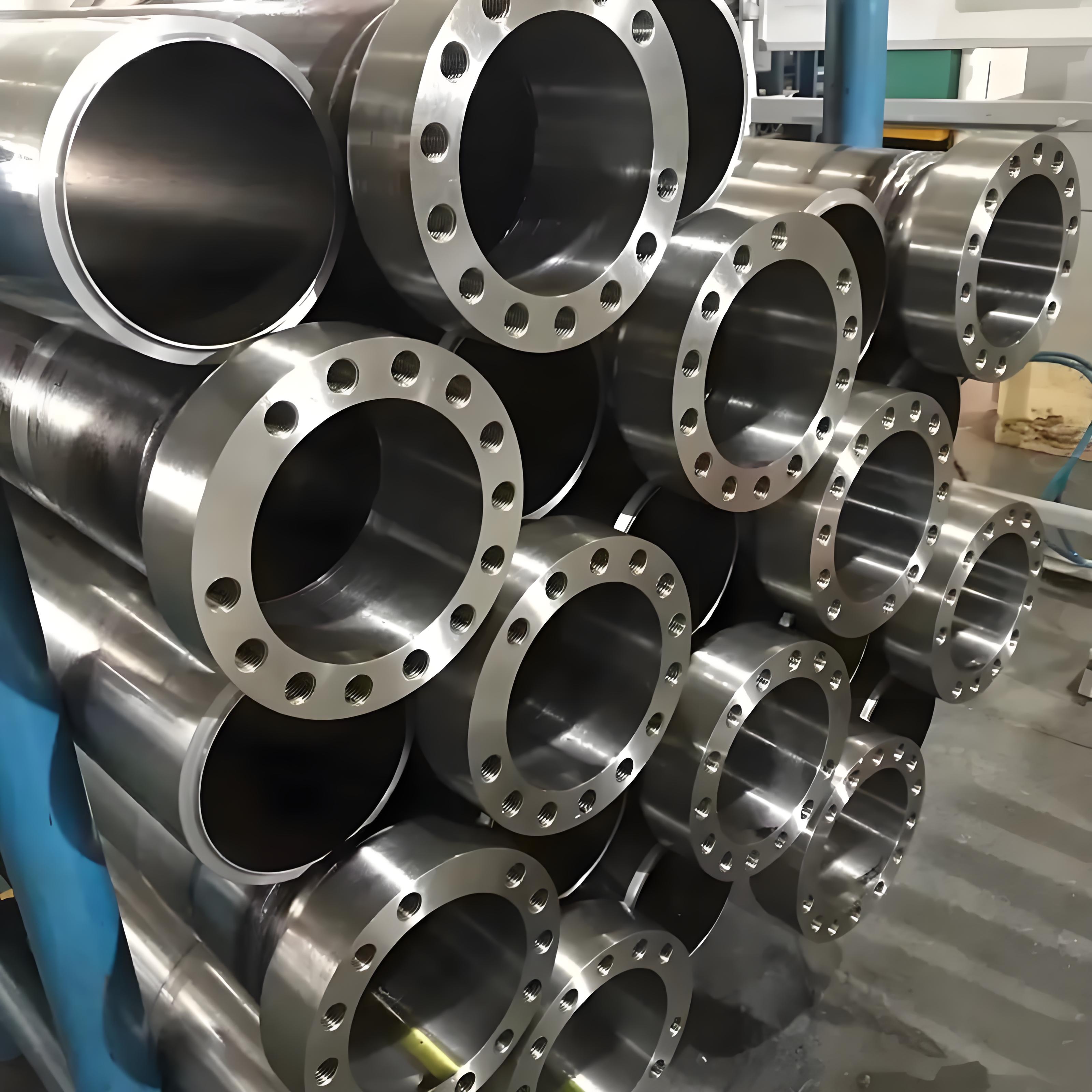
Hydraulic cylinders are critical power transmission components widely used in engineering machinery, industrial equipment, and aerospace fields. Their performance, reliability, and service life are directly determined by the rationality of material selection. This article systematically elaborates on the scientific principles and practical considerations of material selection for key components of hydraulic cylinders, analyzes the material requirements under different working conditions, and proposes feasible ideas for material innovation and improvement, aiming to provide reference for optimizing hydraulic cylinder production and promoting technological upgrading in the industry.
1. Introduction
Hydraulic cylinders convert hydraulic energy into mechanical energy through the linear reciprocating motion of the piston, bearing high pressure, alternating loads, and harsh environmental impacts during operation. The material selection for hydraulic cylinders is not only a technical decision based on mechanical properties but also a comprehensive balance involving cost-effectiveness, processability, and environmental adaptability. Improper material selection may lead to failures such as cylinder barrel deformation, piston rod wear, and seal failure, thereby affecting the overall operation of the equipment. Therefore, mastering the scientific knowledge of material selection is essential for ensuring the quality and performance of hydraulic cylinders.
2. Material Selection for Key Components of Hydraulic Cylinders
Hydraulic cylinders mainly consist of cylinder barrel, piston rod, piston, end caps, and sealing elements. Each component undertakes different functions, thus requiring distinct material properties.
2.1 Cylinder Barrel
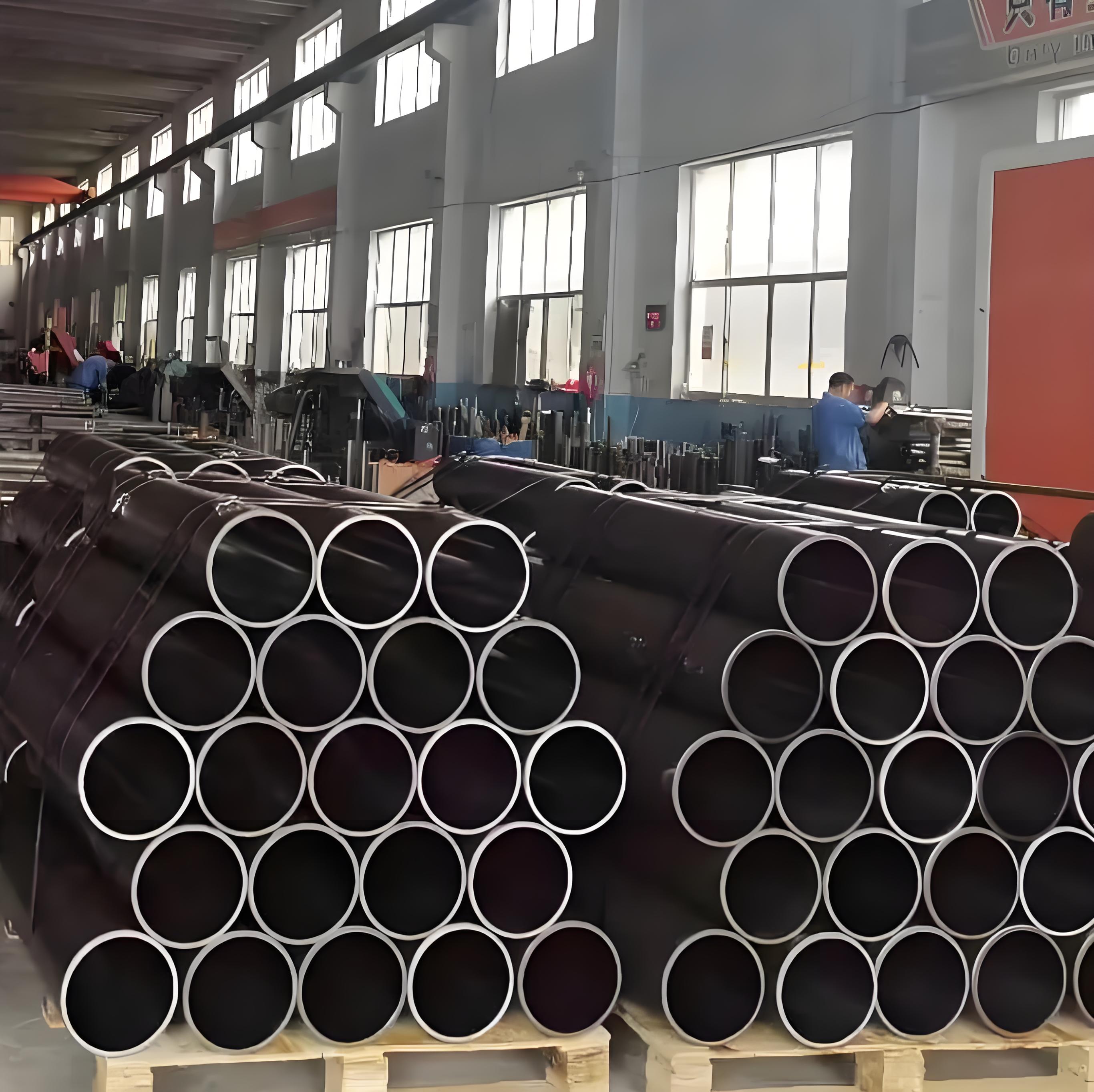
The cylinder barrel is the main body of the hydraulic cylinder, responsible for containing hydraulic oil and bearing internal pressure. Its material selection focuses on high strength, good toughness, and excellent machinability.
Common Materials:
Carbon structural steel: Such as 45# steel, which has moderate strength (tensile strength ≥600MPa) and good machinability. It is suitable for medium-low pressure hydraulic cylinders (working pressure <25MPa) in general industrial equipment.
Alloy structural steel: Such as 27SiMn steel, which has higher strength (tensile strength ≥980MPa) and toughness after quenching and tempering. It is widely used in high-pressure hydraulic cylinders (working pressure 25-35MPa) for engineering machinery like excavators and loaders.
Processing Requirements: The inner surface of the cylinder barrel needs precision honing to reduce surface roughness (Ra ≤0.4μm), which requires the material to have uniform structure and no internal defects.
2.2 Piston Rod
The piston rod is the core force-transmitting component, extending out of the cylinder barrel to connect with external loads. It faces combined effects of abrasion, corrosion, and bending stress, so material selection emphasizes surface hardness and core toughness.
Common Materials:
Alloy structural steel: 40Cr steel is the most widely used material. After quenching and tempering, its core hardness reaches 28-32HRC (ensuring toughness), and the surface is treated with chrome plating (thickness 0.05-0.15mm) to achieve hardness ≥60HRC, significantly improving wear and corrosion resistance.
Stainless steel: For hydraulic cylinders used in marine or chemical environments (with high corrosion requirements), 304 or 316 stainless steel is selected. Its chromium-nickel alloy composition forms a passive oxide film, providing excellent corrosion resistance, but the cost is higher than that of 40Cr steel.
Surface Treatment Innovation: In addition to traditional chrome plating, technologies such as high-velocity oxygen fuel (HVOF) spraying of tungsten carbide coatings are gradually applied, which can further enhance wear resistance by 2-3 times compared with chrome plating.
2.3 Piston and End Caps
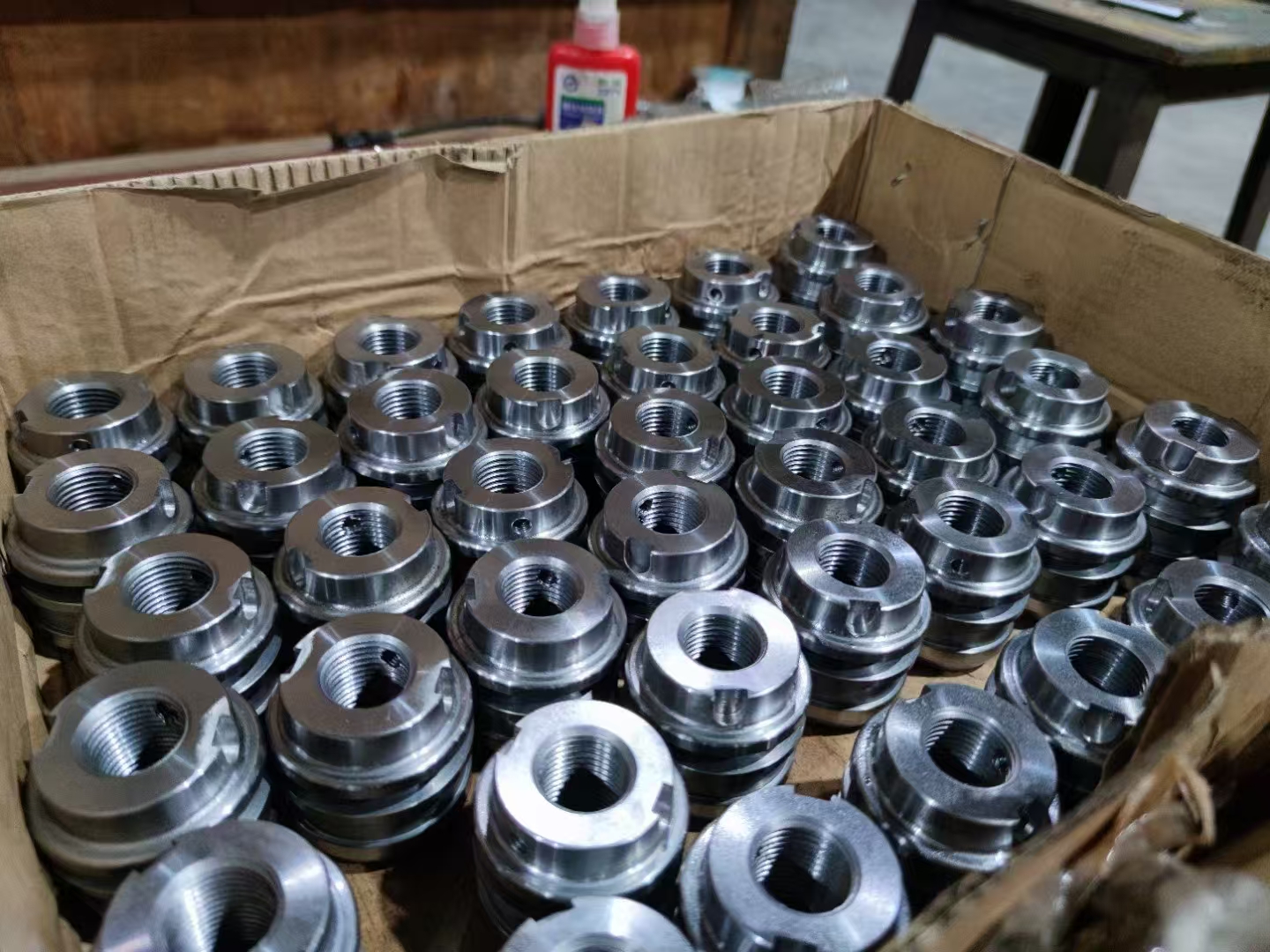
The piston separates the hydraulic oil in the rod chamber and rodless chamber, while end caps seal the two ends of the cylinder barrel. Their materials require good sealing compatibility and sufficient structural strength.
Piston Materials:
Ductile iron: Such as QT500-7, which has high strength and good wear resistance. It is suitable for medium-pressure hydraulic cylinders and has the advantage of low cost.
Aluminum alloy: For lightweight equipment (e.g., aerospace hydraulic systems), 6061-T6 aluminum alloy is used. It has a density of only 1/3 of steel, effectively reducing the overall weight of the cylinder.
End Cap Materials: Generally consistent with the cylinder barrel material (e.g., 45# steel or 27SiMn steel) to ensure structural compatibility and uniform stress distribution. For lightweight design, aluminum alloy end caps can also be used in matching with aluminum cylinder barrels.
2.4 Sealing Elements
Sealing elements prevent hydraulic oil leakage and external contamination, and their material selection is crucial for the sealing performance and service life of the cylinder. The key requirements are oil resistance, temperature resistance, and wear resistance.
Common Materials:
Polyurethane (PU): The most widely used sealing material, with excellent oil resistance, high elasticity, and wear resistance. It is suitable for working temperatures of -20℃ to 80℃, covering most industrial and engineering machinery scenarios.
Fluororubber (FKM): Has outstanding high-temperature resistance (up to 200℃) and chemical corrosion resistance. It is used in high-temperature or harsh chemical environments, such as hydraulic systems in metallurgical equipment.
Polytetrafluoroethylene (PTFE): With low friction coefficient and excellent chemical stability, it is often used as a backup ring to prevent seal deformation under high pressure.
3. Core Principles of Material Selection for Hydraulic Cylinders
The material selection process must follow scientific principles to achieve the balance between performance and cost.
3.1 Matching Mechanical Properties with Working Conditions
Different working pressures and loads determine the required material strength. For example:
Low-pressure cylinders (working pressure <16MPa) can use ordinary carbon steel (45#) to reduce costs.
Ultra-high-pressure cylinders (working pressure >35MPa) for special equipment must adopt high-strength alloy steel (e.g., 35CrMo) and undergo strict heat treatment to ensure safety.
3.2 Adapting to Environmental Factors
The service environment directly affects material corrosion resistance and durability:
In outdoor or humid environments, piston rods should be treated with anti-corrosion coatings (e.g., chrome plating + passivation) or use stainless steel.
In high-temperature environments (e.g., near engines), sealing elements must be replaced with fluororubber to avoid aging and leakage.
3.3 Balancing Cost-Effectiveness
Material cost accounts for 30%-50% of the total production cost of hydraulic cylinders. Under the premise of meeting performance requirements, cost control should be prioritized:
For mass-produced standard cylinders, choose mature and low-cost materials (e.g., 45# steel, PU seals).
For special-purpose cylinders (e.g., aerospace), high-performance materials (e.g., titanium alloy, composite materials) can be used even at higher costs to ensure reliability.
4. Ideas for Material Innovation and Improvement
With the development of equipment towards high efficiency, lightweight, and long service life, the innovation of hydraulic cylinder materials has become a key research direction.
4.1 Application of Composite Materials for Lightweight
Traditional hydraulic cylinders are dominated by steel materials, resulting in heavy weight, which restricts the energy efficiency of equipment. Carbon Fiber Reinforced Polymer (CFRP) has the advantages of high strength (tensile strength up to 3000MPa) and low density (only 1/4 of steel). Its application in cylinder barrels and piston rods can reduce the weight of hydraulic cylinders by 40%-60% while maintaining structural strength. At present, the main challenge is the high cost of CFRP and the difficulty in precision processing of the inner surface. Future research can focus on developing low-cost carbon fiber precursors and optimizing machining processes.
4.2 Development of Intelligent Self-Healing Materials
Seal failure is one of the main causes of hydraulic cylinder faults. The development of self-healing polymer materials for seals can effectively improve reliability. By adding microcapsules containing healing agents to the seal material, when cracks occur due to wear or aging, the microcapsules rupture and release the healing agent to repair the cracks automatically. This technology can extend the service life of seals by 2-3 times and reduce maintenance costs. Currently, the key is to improve the compatibility between the healing agent and the base material and ensure the stability of the microcapsules under high pressure.
4.3 Advancement of Surface Engineering Technologies
Surface treatment is an important means to enhance material performance without changing the base material. Future innovations can focus on two aspects:
Nano-coating technology: Preparing nano-alumina or nano-titanium carbide coatings on the piston rod surface can significantly improve hardness and wear resistance, with a service life 5 times longer than traditional chrome plating.
Laser cladding technology: Cladding wear-resistant alloys (e.g., Stellite alloy) on the inner surface of the cylinder barrel can enhance the surface hardness and corrosion resistance, making it suitable for ultra-high-pressure and strong corrosion working conditions.
5. Conclusion
Material selection is a core link in hydraulic cylinder production, which directly affects the performance, reliability, and economic benefits of the product. The selection should be based on the functional requirements of key components, combined with working conditions and cost factors, to achieve scientific and rational matching. In the future, with the development of new materials such as composites and intelligent self-healing materials, and the advancement of surface engineering technologies, hydraulic cylinders will move towards the direction of lightweight, high reliability, and long service life, providing stronger support for the upgrading of the equipment manufacturing industry.
Quanzhou Weihang Machinery Co.,Ltd.


