Welcome to Quanzhou Weihang Machinery Co.,Ltd.

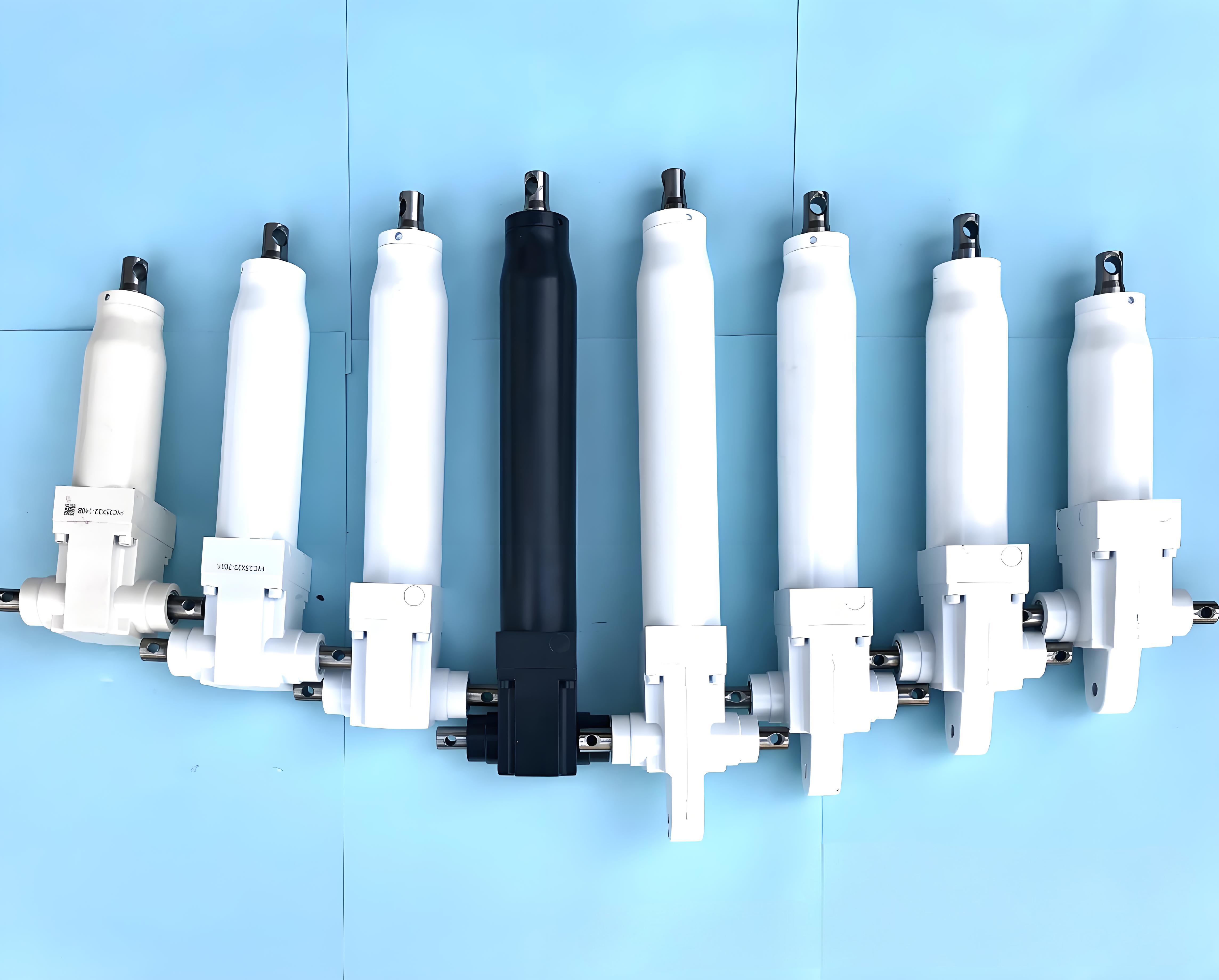
Hydraulic cylinders, fundamental components in hydraulic systems, play a crucial role in various industries, and their applications in medical equipment are both diverse and significant. By converting hydraulic energy into mechanical energy, they enable precise and controlled linear motion, which is essential for many medical functions.
I. Current Applications in Medical Equipment
A. Hospital Beds
Hospital beds are one of the most common medical devices where hydraulic cylinders are employed. They are used to adjust the position of the bed, allowing patients to be comfortably reclined, elevated, or have their legs and back adjusted. For example, a single-acting hydraulic cylinder can be used to lift the head of the bed. When hydraulic fluid is pumped into the cylinder, it pushes the piston and rod, smoothly raising the head section. This not only provides comfort for the patient but also aids in medical procedures such as feeding, wound care, and respiratory support. The high load-bearing capacity of hydraulic cylinders ensures that the bed can support patients of different weights while maintaining stability.
B. Surgical Tables
Surgical tables require extremely precise positioning to facilitate surgical procedures. Hydraulic cylinders are used to adjust the height, tilt, and lateral movement of the table. Multi-cylinder systems are often employed, with each cylinder controlling a different axis of movement. For instance, differential hydraulic cylinders can be used to achieve smooth and accurate adjustments. These cylinders use differential pressure to generate force, enabling surgeons to fine-tune the position of the patient with millimeter-level precision. The leak-resistant properties of hydraulic cylinders are also vital in surgical environments, as any fluid leakage could contaminate the sterile field.
C. Patient Lifts
Patient lifts are essential for transferring patients between beds, wheelchairs, and other medical equipment. Hydraulic cylinders in patient lifts provide the necessary lifting force. Telescopic hydraulic cylinders are commonly used in these devices as they can achieve long strokes in a relatively compact design. This allows the lift to reach different heights, accommodating various transfer scenarios. The reliability of hydraulic cylinders ensures that patients can be safely and comfortably transferred, reducing the risk of injury to both the patient and healthcare providers.
D. Diagnostic Imaging Devices
In some diagnostic imaging devices, such as certain types of X-ray machines and magnetic resonance imaging (MRI) scanners, hydraulic cylinders are used to position the patient or the imaging components. For example, in an X-ray machine that needs to take images from different angles, hydraulic cylinders can be used to rotate or move the X-ray source and detector. The ability of hydraulic cylinders to provide smooth and stable motion is crucial in these applications, as any sudden jolts or vibrations could affect the quality of the diagnostic images.
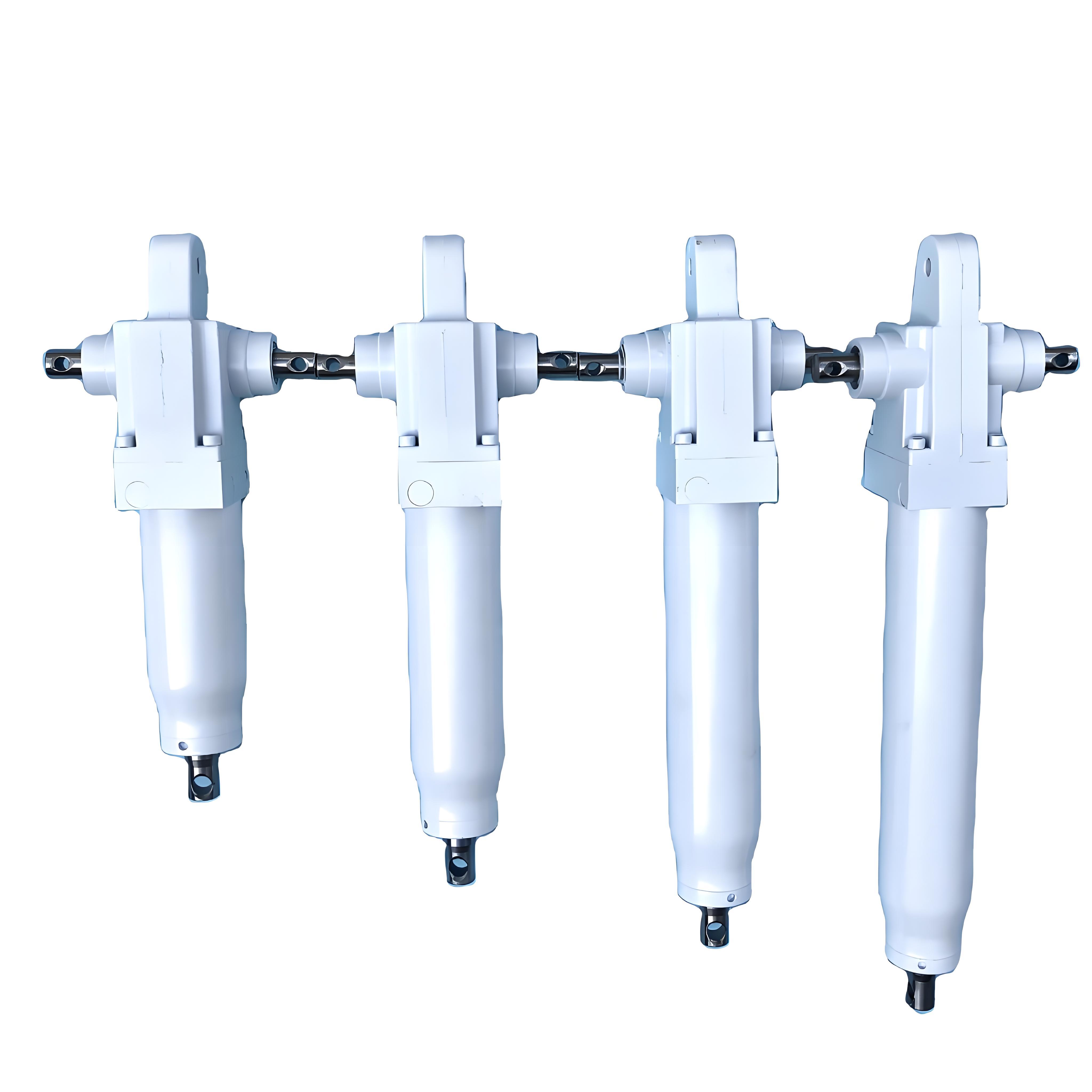
II. Future Trends in Hydraulic Cylinder Applications in Medical Equipment
A. Integration with Smart Technologies
The future of hydraulic cylinders in medical equipment lies in their integration with smart technologies. Digital hydraulic cylinders, equipped with sensors such as pressure, displacement, and temperature sensors, will become more prevalent. These sensors can provide real-time data on the performance of the cylinder, allowing for predictive maintenance. For example, if a sensor detects a gradual increase in pressure within the cylinder, it could indicate a potential issue such as seal wear or fluid contamination. This data can be transmitted wirelessly to a central monitoring system, enabling maintenance staff to address the problem before it causes equipment failure. Additionally, the integration of 5G and edge computing technologies will enable remote control of hydraulic-powered medical equipment. In a large hospital network or in telemedicine scenarios, healthcare providers could remotely adjust the position of a hydraulic-actuated hospital bed or patient lift, providing greater convenience and flexibility.
B. Lightweight and High-Strength Materials
As the medical equipment industry continues to strive for more portable and efficient devices, the use of lightweight and high-strength materials in hydraulic cylinders will increase. Materials such as carbon-fiber composites and high-strength aluminum alloys will be used to reduce the weight of the cylinders without sacrificing their load-bearing capacity. This is particularly important for patient-transport equipment like portable patient lifts, where a lighter device is easier to maneuver. These materials also offer better corrosion resistance, which is beneficial in medical environments where the equipment may be exposed to cleaning agents and moisture.
C. Enhanced Energy Efficiency and Environmental Friendliness
With the growing emphasis on environmental sustainability, future hydraulic cylinders in medical equipment will focus on energy efficiency. New sealing technologies and low-friction materials will be developed to reduce internal leakage and energy losses. Additionally, the use of biodegradable hydraulic fluids will become more common, minimizing the environmental impact in case of fluid leakage. Some medical equipment manufacturers may also explore the use of hybrid hydraulic-electric systems, where the hydraulic cylinder is powered by an electric motor-pump unit. These systems can be designed to operate more efficiently, consuming less energy during operation.
D. Customization for Specialized Medical Needs
As medical technology advances, there will be a greater need for customized hydraulic cylinders to meet specialized medical requirements. For example, in the development of exoskeleton robots for rehabilitation, hydraulic cylinders may need to be designed to provide very precise and controlled force outputs, mimicking the natural movement of human muscles. In prosthetics, hydraulic cylinders could be customized to provide a more natural-feeling movement for amputees. Manufacturers will need to work closely with medical researchers and device designers to develop hydraulic cylinders that are tailored to these specific applications.
In conclusion, hydraulic cylinders currently play an integral role in a wide range of medical equipment, and their future in the medical field is bright. With advancements in technology, materials, and customization, hydraulic cylinders will continue to improve the functionality, efficiency, and safety of medical devices, ultimately contributing to better healthcare outcomes.
Quanzhou Weihang Machinery Co.,Ltd.


